
Waking up in the morning, you clearly feel like you just closed your eyes, but your watch shows you slept 8 hours with a sleep score of 92. Yet you feel as tired as if a truck ran you over.
This isn’t your fault; it’s because you didn’t choose the right tracker.
When buying a sleep tracker, most people only look at the “precise sensing” in advertisements, but forget the two basic issues that truly affect the sleep experience: Do I really need such accurate data? Can my device last through an entire night’s recording?

Don’t worry, we’ll help you clarify the most suitable sleep tracking method with three questions.
Sleep Tracker Recommendations: Ask Yourself These 3 Things First
Searching for sleep tracker recommendations on Google, you’ll find two major camps: one side emphasizes smart devices with precise sleep staging (like Apple Watch, Oura Ring), the other focuses on fitness bands with long battery life (like Garmin, Xiaomi Mi Band). Which one to choose? Don’t rush to check the specs; ask yourself these three questions:
- Are you used to charging every day? Or do you often forget?
- Do you need to know the exact proportions of “deep sleep, light sleep,” or just see if the trends are improving?
- Do you find wearing a watch/band while sleeping bothersome?
Once you have the answers, your choice is clear. The accuracy and battery life of sleep trackers are never at odds; it’s just about your priorities.
When “Accuracy” Matters More Than “Battery Life”
If you’re troubled by sleep quality and want to understand your sleep structure, accuracy absolutely cannot be compromised. A device that can’t distinguish between “actually falling asleep” and “just lying there scrolling on your phone” isn’t inaccurate—it’s misleading you.

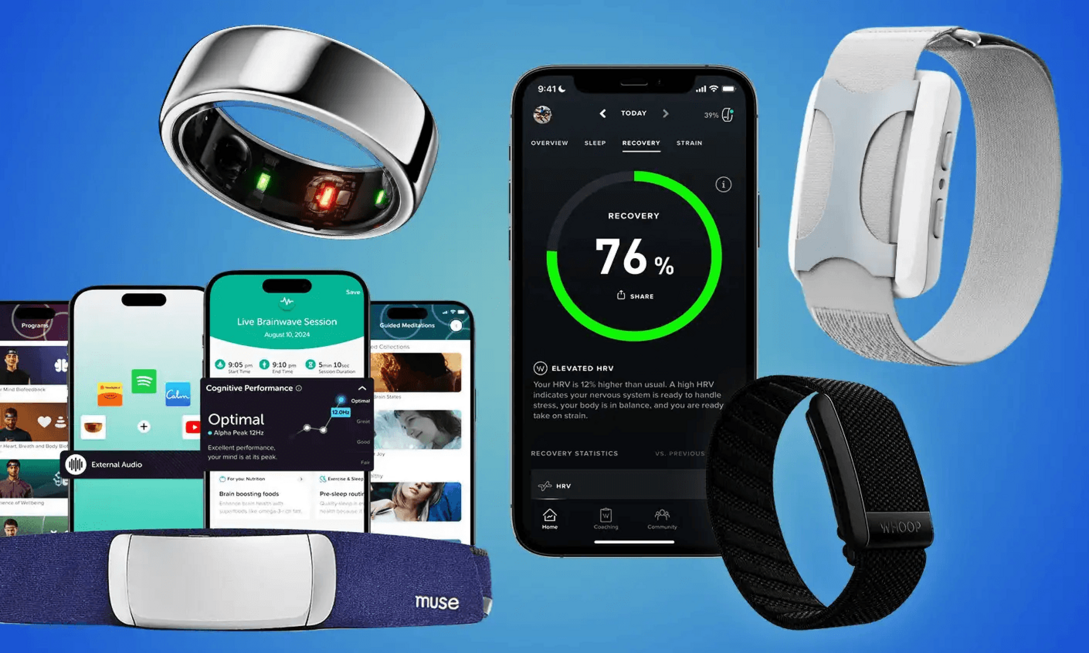
Devices like Oura Ring or Apple Watch use multi-sensor fusion technology to provide more precise sleep staging (including REM rapid eye movement, deep sleep, light sleep, etc.), especially helpful for users who need to adjust their routines, monitor HRV (heart rate variability), or track body recovery status—these data can truly help you make adjustments.
The downside? They usually need charging every 1-3 days. But this is actually a reasonable trade-off—just like you wouldn’t keep your phone in low battery mode to save power forever, the quality of sleep data depends on the investment in sensors.
When “Non-Stop Battery” is More Practical Than “High Precision”
If you travel a lot, easily forget to charge, or just need to observe long-term sleep trends (like whether you’re sleeping less over time or if your routine is stable), then a long-battery-life sleep tracker is the smarter choice.

Garmin and Xiaomi Mi Band series are representatives of this type of need. They typically estimate sleep states using motion sensing and basic heart rate, though they can’t provide lab-level detailed analysis, they can record continuously for weeks without running out of battery, giving you complete long-term trend charts.
For most people, “recording every night” is better than “particularly accurate on a few days” for seeing changes in sleep habits.
The Overlooked Dark Horse: Contactless Sleep Mats That Track Without Wearing
If you don’t even feel comfortable wearing anything to sleep, then Withings Sleep and similar “contactless sleep tracking mats” are options overlooked by many. It goes directly under the mattress, recording the entire night’s sleep status through pressure and heartbeat sensors, without needing to wear any device.

Its advantages are:
- Seamless recording, suitable for light sleepers who wake up wearing a watch
- Plugged-in use, no battery anxiety
- Can detect get-up frequency and breathing rhythm, suitable for long-term monitoring
Of course, it’s only suitable for fixed beds; it can’t be used when traveling. But if you sleep at home 90% of the time, this might be the most effortless sleep tracking solution.
Which Sleep Tracker is Right for You? Quick Summary
| Need | Recommended Type |
|–|–|
| Need precise analysis of deep/light sleep, improve sleep quality | Oura Ring, Apple Watch |
| Want long-term recording, no charging hassle | Garmin, Xiaomi Mi Band series |
| Don’t like wearing anything while sleeping | Withings Sleep Mat |
The most accurate sleep tracker is the one that’s actually running that night.
If you’re still hesitating about which sleep watch or tracker to choose, don’t rush to find an “all-in-one” model. First, honestly assess your usage habits, choose the right direction, let the device serve you, rather than changing your life to accommodate the device.
Ask yourself now: What answer do you most want to get from your sleep data?
