
During the morning rush hour on the MRT, one hand gripping the handrail while the other struggles to swipe through the phone for navigation or reply to messages—how much longer will this awkward daily routine persist? In the past, experiencing augmented reality always meant enduring bulky large helmets that would start protesting against your cervical spine after just half an hour, plus complex operation logic that led many to quietly stash them away in moisture-proof boxes. But this year, taking a trip to a tech expo, you’ll discover that the stereotype of “smart glasses equal heavy toys” has been completely overturned.

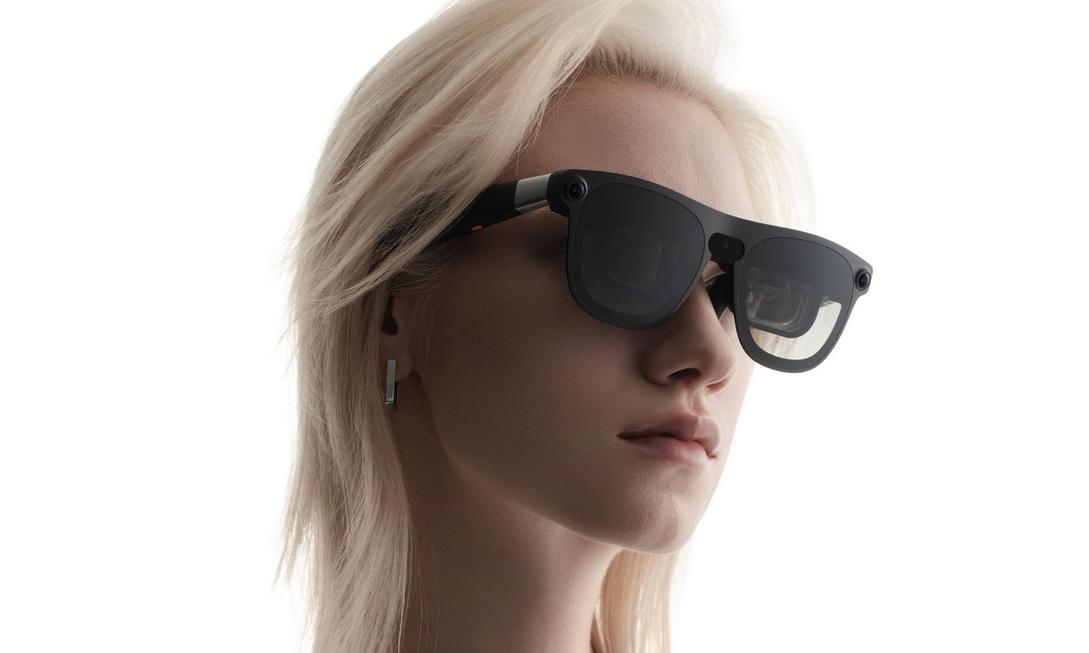
Stepping into the exhibition hall, you can feel that spatial computing technology has finally descended from its pedestal. Taking the recently much-anticipated new generation of AI smart glasses as an example, the design team has shifted its focus from “stacking hardware” back to “aligning with human habits.” They no longer resemble the bulky gear from sci-fi movies; instead, they feel more like the versatile retro round frames or fashionable sunglasses in your closet. The perfect fusion of lightweight design and AI computing power allows technology to truly blend invisibly into daily life.
▍The Wearing Experience That’s Light Enough to Be Unnoticeable
The weight is controlled between 90 to 135 grams, which is the most astonishing breakthrough in these products. Using a mixed frame structure of plastic and titanium metal, combined with a weight distribution design optimized for long-term daily wear, you hardly feel any extra burden after putting them on. Whether working remotely with a laptop for two hours or hiking outdoors all day on weekends, there won’t be any pressure marks on your nose bridge or behind your ears. By distributing the computing module to a pocket-sized host, the glasses body is only responsible for being lightweight and displaying, completely solving the heat and stuffiness issues of early products.
▍Look Up to See the Screen, No Longer Held Hostage by Your Phone
What truly excites people is how it seamlessly integrates information into the physical world right in front of your eyes. Equipped with Sony Micro-OLED panels and new waveguide optical technology, the display viewing angle is expanded to between 50 to 70 degrees, with text and icon sharpness rivaling high-end phones. Even more important is the upgrade to the underlying system: after integrating Android XR and the Gemini AI model, it is no longer just a passive display but a personal assistant that can understand the environment in real time.
Walking in unfamiliar neighborhoods, arrows float and overlay directly onto real-world roads; when eating out and encountering a menu, a quick glance shows instant translations and netizen reviews; plus an ecosystem open to hundreds of thousands of developers, allowing your glasses to instantly transform into a teleprompter, real-time notepad, or 24-hour virtual multi-screen workstation.
▍Why Is It Worth Becoming Your Daily Essential?
After real-world scenario testing, this AI smart glasses precisely addresses the three major concerns users care about most:
• All-Day Unnoticeable Wear: With its ultra-lightweight and modular charging case design, a single charge supports about four hours of mixed use, expandable to all-day battery life with the charging storage case—no power anxiety even when traveling for business.
• Intuitive Operation and Mainstream Ecosystem: Fully compatible with mainstream app stores and voice interaction logic, supporting fingertip micro-gestures and low-latency eye tracking, so you can intuitively use it from the first wear without relearning complex commands.
• Privacy Protection and Fashionable Appearance: The lenses feature built-in auto-dimming technology that adjusts light transmittance based on ambient lighting; the exterior is completely de-technologized, seamlessly blending into outfits from business meetings to café leisure.
The ultimate goal of tech products is to make people forget their existence and only enjoy the convenience they bring. This AI smart glasses, launching in 2026, represents the most mature integration of spatial computing, lightweight wearables, and native AI assistants. Whether you’re a creator needing hands-free operation, a business professional constantly on the move, or simply a tech enthusiast tired of staring down at your phone screen, it can perfectly fill the usage gaps. Don’t let the next generation of digital life be confined to a small screen. Now is the time to hand your view over to a more natural spatial interface and experience the lightness where technology steps aside for you.
