
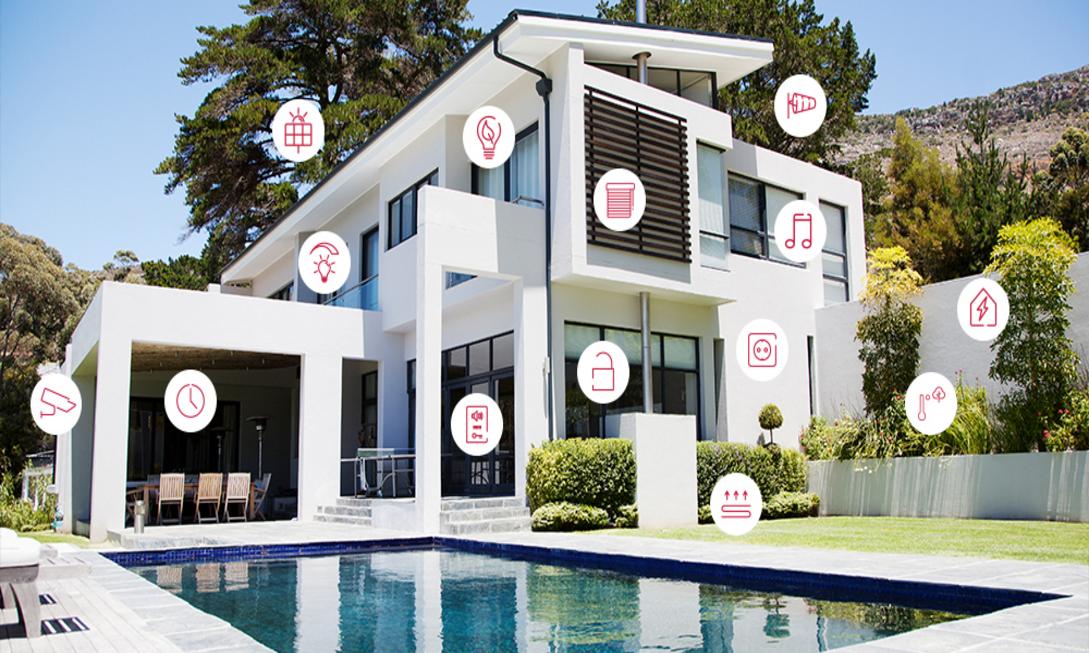
Imagine standing in an appliance store, holding a smart speaker in your left hand that claims to control lights with just one sentence, and grabbing a central hub in your right hand that promises whole-home automation but requires writing commands. Buying something simple might mean limited features, while buying complex risks setting it up until you question your life choices, ultimately leaving expensive devices collecting dust in drawers? This is the real dilemma for 90% of beginners. In reality, smart players never go for too much; they only choose “the right one.”
Solve One Pain Point First, Then Talk About Full Automation
Don’t be swayed by flashy marketing jargon. Market research data shows that over 85% of users care most not about “building a sci-fi base,” but about “making life easier immediately.” The real shortcut is to start with a single ecosystem. Pick a speaker that supports a voice assistant, pair it with 1-2 smart plugs that don’t require a hub, and in 10 minutes, you can make traditional table lamps, electric fans, or old coffee makers obey commands.

When you push open the door after work, say “I’m home,” and the entrance light automatically turns on with warm light, while the air purifier quietly starts. No need to understand programming, and no need to damage the decor. In one afternoon on the weekend, you can painlessly experience the ease brought by technology and personally verify how worthwhile the money spent is.
Rental-Friendly $50-150 Golden Combo
Don’t want to touch the walls, afraid of being scolded by the landlord? Smart plugs, plug-and-play indoor cameras, and battery-powered sensors are the “no-construction kit” tailored for you. These devices can be packed directly into a cardboard box when moving, and not a penny of the deposit will be lost. When choosing this type of entry-level solution, master a few core principles to avoid pitfalls:
- 🔌 Plug-and-Play, Zero Learning Curve: No additional gateways needed, phone app guides the setup, and the whole family can get started in seconds.
- 📡 Look for the Matter Certification Label: Break down brand barriers; in the future, if you want to switch from Google to Apple, devices will still connect smoothly.
- 🏠 Flexible Expansion Without Getting Stuck: Start with scheduled switches and voice-controlled appliances; once comfortable, gradually add smart bulbs or sensors.

Remember to “prevent feature creep syndrome.” Don’t force five devices into a single problem; one device that precisely solves a pain point will always outperform ten flashy but impractical gimmicks. At the same time, remember to turn off unused cloud sync services to reduce security risks, and keep physical wall switches as a backup in case of network outages.
When Do You Need an Advanced Automation Hub?
When your needs advance from “scheduling” to “conditional triggers” (e.g., pause the AC if the window is open, automatically turn off all power when detecting you’re away), then it’s worth introducing a multi-protocol smart hub. It allows Zigbee and Z-Wave devices to operate stably even when offline, achieving true offline automation. If you’re a heavy tech enthusiast, your home is undergoing renovation, or you have extreme requirements for local privacy, then consider venturing into Home Assistant or Apple HomeKit. Otherwise, don’t pay for complex features you won’t use.
Smart homes are never about equipment competitions, but a gradual life upgrade based on needs. Start with one plug and one voice command, letting technology truly save you time instead of creating trouble. Ready to experience the ease of one-tap control? Now pick an entry-level device and bring home a smart, worry-free daily routine.
