
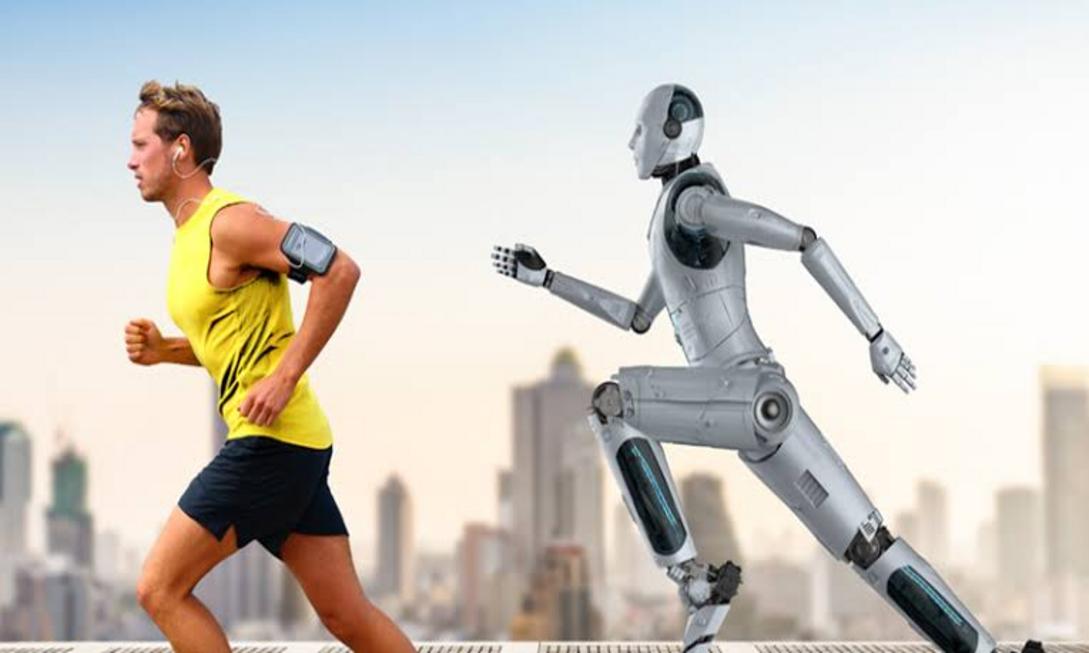
Whenever it’s late at night and quiet, the coughing sound of an elderly person living alone always tugs at your heart; or on weekend mornings, looking at the mountain of housework and a tight schedule, have you ever thought: if there was a tireless helper that could share life’s burdens like family, how wonderful would that be? This is precisely the core desire of more and more people searching for “2026 humanoid robot home care” — we are no longer just looking for a cold machine, but a smart partner that can integrate into the family rhythm, provide substantial assistance, and offer warm companionship.
Breaking Through Imagination with Realistic Interactions, Making Technology No Longer Cold
In 2026, humanoid robots have long escaped the bulky and monotonous frameworks of the past. Taking Figure 03 as an example, it is equipped with the Helix visual-language action model, featuring approximately 7 billion parameters, adopting a dual-layer architecture similar to the human nervous system of “fast response + slow planning.” This means that when you speak to it, it can accurately understand semantics, respond in real-time, and even detect changes in your emotions. It is not just a device that executes commands, but more like a family member who can make eye contact and knows how to listen.

Dexterous Hands and Environmental Awareness, Creating True Home Automation
True practicality comes from being “movable” and “understanding” your space. Current top models (such as Tesla Optimus or Unitree G1) are equipped with high-precision RGB-D and LiDAR sensors that can instantly build 3D maps of the home, easily navigating between sofas and tables. Paired with over 20 degrees of freedom (DOF) dexterous robotic arms and advanced tactile sensing, they can steadily pick up glass cups, fold clothes, and even assist the elderly with rehabilitation exercises. This is not just an upgrade in automation, but a key step in completely liberating humans from repetitive labor.

Professional-Grade Care Support, Guarding Every Moment of Your Family
For families with elderly members or those needing rehabilitation care, models like Fourier GR-3 focused on the long-term care market provide medical-grade solutions. With a hot-swappable battery design, it ensures 24-hour uninterrupted inspection and anomaly reporting functions. When a fall or physical discomfort is detected, the system immediately connects to telemedicine or emergency contacts. It is not meant to replace professional caregivers but serves as a round-the-clock “safety gatekeeper,” allowing family members to monitor the elderly’s condition via the cloud platform even when not by their side.

Why Is Now the Best Time to Get One?
- AI Brain Continues to Evolve: The combination of large language models and machine vision allows the robot to learn your habits and understand you better with use.
- Cost-Performance Ratio Has Greatly Improved: In 2026, mass production technology has matured, and some models (such as Unitree G1) have prices dropped to an affordable range for the general public, making high technology no longer out of reach.
- Modular and Flexible Deployment: From hotel lobby reception to family companionship, the same system can switch modes according to needs, offering high investment returns.


Who Is Most Suitable to Embrace This New Family Member?
Whether it’s elderly families needing round-the-clock care, tech enthusiasts seeking to free their hands for better quality of life, or startups looking to introduce smart services, 2026 humanoid robots are ready. They are not just an extension of tools but a leap in quality of life.
Stop waiting for the future to arrive, because the future has already entered your home. Now embrace this smart, reliable, and warm AI intelligent assistant, making every return home the beginning of shedding burdens!
