
Stolen delivery packages, strange noises from the courtyard at midnight… Want to install a security camera to protect your home, but struggling because there are no outdoor outlets or worried about cloud storage fees piling up? Choosing between “wire-free convenience” and “high-quality stability” can indeed be a headache. In fact, as long as you understand the differences between these two major outdoor security camera giants, you can instantly find the perfect home gadget for you!
Wire-Free or Plug-In Power? Installation Flexibility Decides Everything
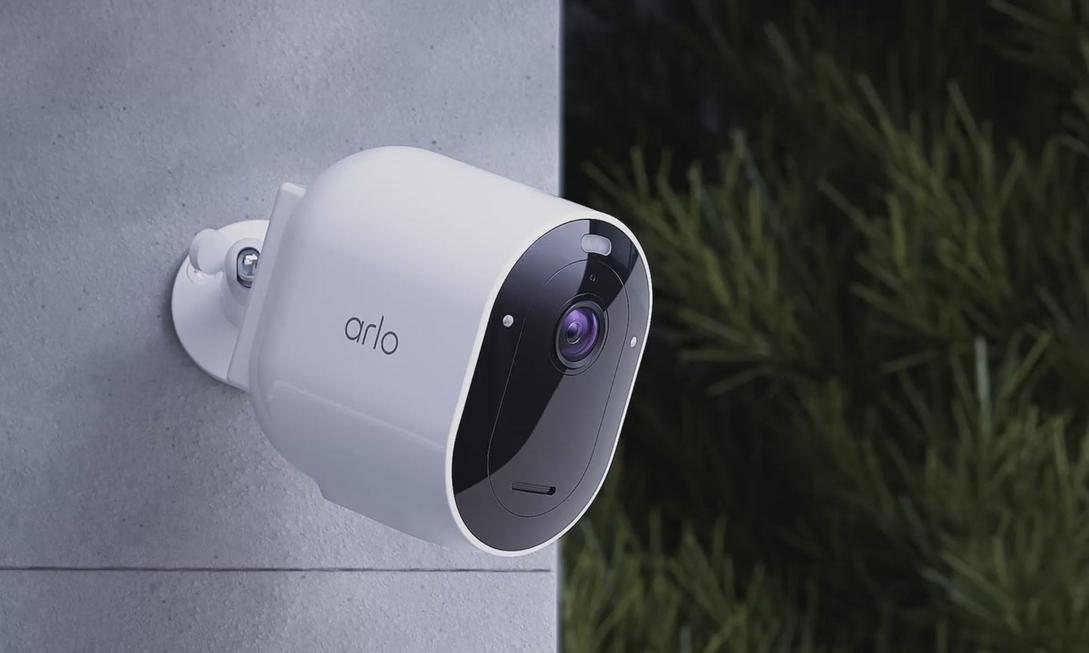
If your backyard has no outlets at all, or you’re a renter who doesn’t want to drill holes and damage the walls, Arlo is definitely your savior. It features a completely wireless battery design, requiring only a screwdriver to easily mount on fences, trees, or eaves. Paired with an optional solar panel, it eliminates the hassle of periodic charging. In contrast, Ring is more suitable for homes with outdoor outlets or pre-wired setups, offering stable continuous power supply and PoE options, giving you the peace of mind of set-it-and-forget-it without ever needing to remove it for charging.
4K Ultra-Clear Image Quality and Night Vision, Details Determine Peace of Mind
If a security camera’s image quality is poor, critical moments will only capture a bunch of blurry shadows. The Arlo Pro series supports 2K HDR to true 4K resolution, plus full-color night vision technology, preserving rich details even under strong light on driveways or in dimly lit environments. Ring Outdoor Cam Pro, with its Retinal 4K and 10x digital zoom, performs amazingly in clearly capturing license plate details from a distance and color reproduction in low-light conditions. Simply put, choose Arlo for balancing strong and weak lighting; for long-distance surveillance, Ring will give you more surprises.

Smart Motion Detection, Filtering Out Neighbor’s Passing Cats and Dogs
The most annoying thing is constant false alarm notifications on your phone! Arlo excels in software processing, accurately categorizing moving objects as “people, vehicles, animals, packages.” Animation previews and tagging features allow you to glance at your smartwatch and understand the situation, greatly reducing unnecessary disturbances. Ring Pro version uses 3D radar motion detection, precisely drawing custom detection zones so passing pedestrians won’t trigger alerts. If you care most about notifications that are easy to understand at a glance, Arlo perfectly solves your pain point.
Cloud Storage Plans, Monthly Fees vs Data Retention Showdown
When it comes to cloud video storage, Ring’s value-for-money advantage is very clear. For about $10 per month, you get a full 180 days of video history, allowing you to trace back missed events anytime—quite generous in the industry. Arlo’s single-device plan starts at about $8, but video history is usually limited to 60 days. Both require a subscription to unlock smart recognition and full playback. If you value long-term data retention and cost-effectiveness, Ring is absolutely a great deal; if you want low-barrier entry, Arlo has less monthly fee pressure.
In summary, these two major outdoor security camera powerhouses each have their strengths. If you pursue ultimate installation freedom without being tied down by wires, or need cross-platform integration (such as Apple Home or Google Home), Arlo’s wireless flexibility and powerful motion classification will definitely satisfy you. If you’re already an Amazon Alexa ecosystem user with ready outlets and want ultra-long video storage periods, Ring’s stable power supply and high-value plans are the best solution. Match your home environment and usage habits, and start building this invisible line of defense for your doorstep today!
